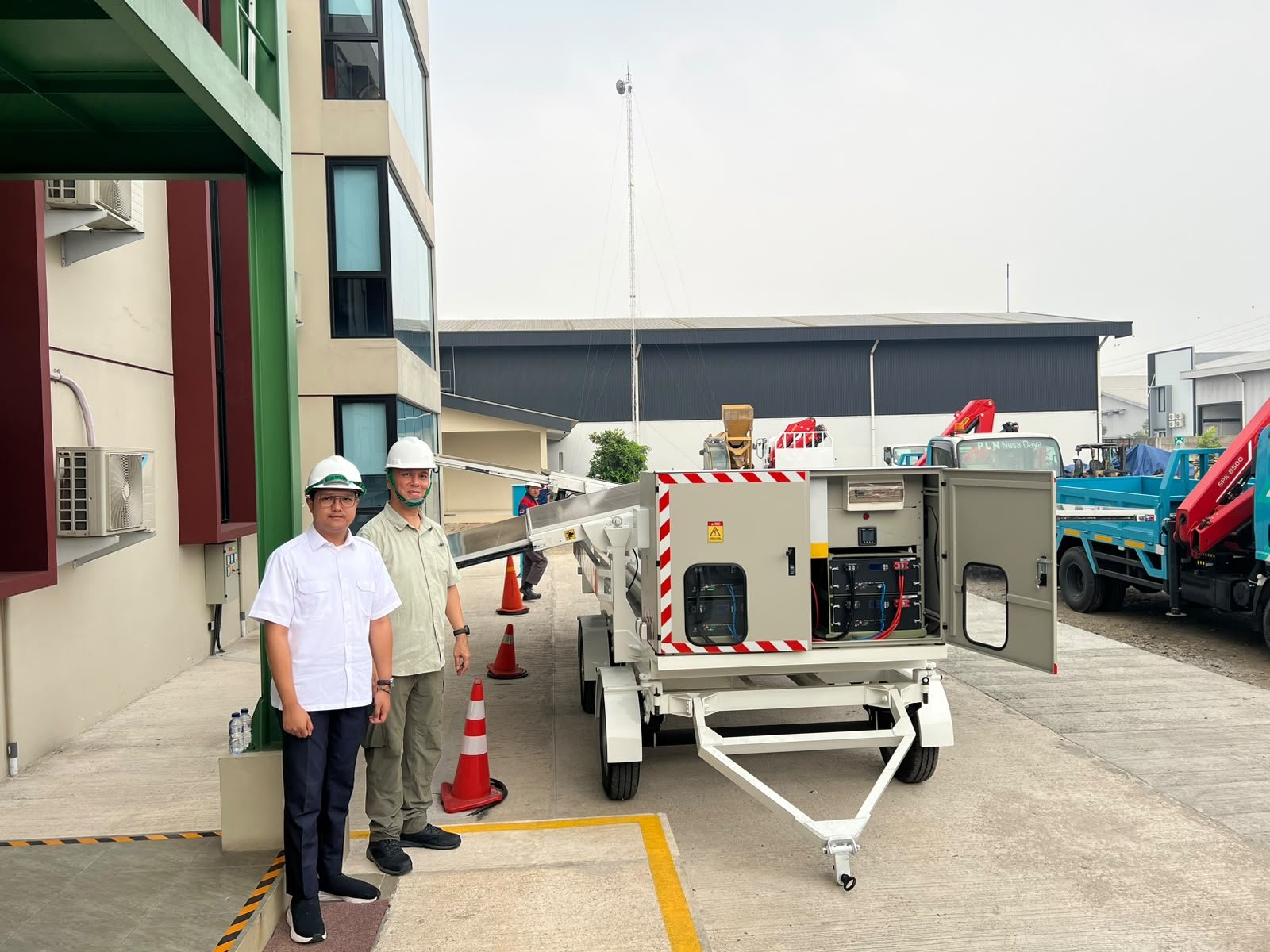

Poskotapetir.com – PT Energi Vertikal Indonesia (EVI) mengembangkan Trailer Generator Surya atau Mobile Independence Base, solusi energi bergerak yang mengintegrasikan panel surya, baterai penyimpanan energi, inverter, dan teknologi manajemen daya untuk memenuhi kebutuhan listrik di sektor industri maupun residensial.
Mengusung semangat “Energy Freedom”, inovasi ini dirancang untuk menghadirkan pasokan energi yang fleksibel, terutama di lokasi yang membutuhkan sumber listrik bergerak atau belum terjangkau jaringan listrik secara optimal.
Saat ini, EVI telah memiliki unit Mobile Solar Genset berkapasitas 20 kVA yang siap digunakan. Pengembangan produk tersebut menjadi bagian dari strategi perusahaan dalam mengintegrasikan mobilitas, energi surya, dan penyimpanan daya untuk mendukung sistem kelistrikan yang lebih adaptif.
Direktur Pengembangan Bisnis PT Energi Vertikal Indonesia, Yudistira Mirhant, mengatakan inovasi energi bergerak dikembangkan untuk menjawab kebutuhan industri dan masyarakat terhadap sistem penyediaan listrik yang fleksibel dan sesuai dengan kondisi lapangan.
“Melalui pengembangan Mobile Solar Genset atau Trailer Generator Surya, kami ingin menghadirkan solusi energi yang dapat digunakan sesuai kebutuhan dan kondisi di lapangan. Kami melihat potensi besar dalam integrasi tenaga surya, baterai, dan teknologi inverter untuk mendukung kemandirian energi, baik di sektor industri maupun residensial,” ujar Yudistira.
Menurutnya, setiap pengguna memiliki kebutuhan energi yang berbeda. Karena itu, EVI mengembangkan sistem yang dapat dikonfigurasi berdasarkan kebutuhan daya, pola konsumsi listrik, dan karakteristik operasional masing-masing pelanggan.
Pengembangan Modular, dari Residensial hingga Industri Skala Besar
Fleksibilitas kapasitas menjadi salah satu fokus pengembangan Mobile Independence Base. EVI merencanakan solusi modular yang dapat disesuaikan dengan kebutuhan penyimpanan energi rumah tangga, komersial, hingga proyek industri berskala besar.
Untuk kebutuhan residensial, kapasitas penyimpanan energi direncanakan mulai dari 1 kWh, sedangkan kebutuhan komersial dan industri dapat dikembangkan mulai dari 5 kWh. Pada proyek skala besar, EVI juga membidik pengembangan Battery Energy Storage System (BESS) dengan kapasitas hingga 5 MW, berdasarkan kajian teknis dan kebutuhan proyek.
MD Ishak, Principal Consultant Renewable Energy and Engineering untuk PT Energi Vertikal Indonesia, menjelaskan bahwa pendekatan rekayasa modular memungkinkan sistem dirancang sesuai kebutuhan spesifik pengguna.
“Dalam pengembangan solusi ini, kami tidak hanya melihat kapasitas daya, tetapi juga kebutuhan penyimpanan energi, profil beban, kondisi lokasi, serta bagaimana sistem dapat bekerja bersama infrastruktur listrik yang sudah tersedia. Untuk pengembangan genset surya bergerak, kapasitas dapat disesuaikan mulai dari skala kecil sekitar 5 kVA, dengan peluang pengembangan sistem energi hingga skala megawatt sesuai kebutuhan proyek,” ujar Ishak.
Ia menjelaskan, kVA digunakan untuk menyatakan kapasitas daya semu genset, sedangkan kWh menunjukkan jumlah energi yang dapat disimpan dalam baterai. Sementara itu, pengembangan BESS skala besar membutuhkan perencanaan tersendiri yang mempertimbangkan kapasitas daya, durasi penyimpanan, profil beban, dan kebutuhan operasional.
Melalui pendekatan tersebut, EVI berupaya menghadirkan solusi yang tidak hanya menyediakan pasokan listrik, tetapi juga mengintegrasikan teknologi untuk mendukung efisiensi dan keandalan sistem energi.
Dukung Efisiensi Operasional dan Transisi Energi
Trailer Generator Surya dikembangkan untuk mendukung sistem kelistrikan yang telah tersedia, termasuk jaringan listrik PLN dan genset diesel konvensional. Integrasi panel surya dan baterai berpotensi mengurangi kebutuhan pengoperasian genset berbahan bakar fosil secara terus-menerus, bergantung pada konfigurasi sistem dan pola konsumsi energi.
Penerapan teknologi ini berpotensi mengoptimalkan penggunaan bahan bakar, menekan biaya operasional, serta mengurangi emisi dari pembakaran bahan bakar fosil. Besarnya manfaat tersebut bergantung pada kapasitas panel surya dan baterai, intensitas matahari, profil beban, serta durasi penggunaan.
Solusi ini menyasar berbagai sektor, antara lain pertambangan, perkebunan, konstruksi, kawasan industri, hingga kebutuhan cadangan daya di lingkungan residensial. Mobilitas sistem juga memberikan fleksibilitas penempatan sumber energi sesuai kebutuhan lokasi proyek.
Bagi EVI, pengembangan Trailer Generator Surya merupakan bagian dari upaya memperluas pemanfaatan energi terbarukan sekaligus menjawab kebutuhan industri terhadap sistem kelistrikan yang efisien, fleksibel, dan adaptif.
Kolaborasi dengan PT Svarna Nusa Sejahtera
Dalam pengembangan Trailer Generator Surya atau Mobile Independence Base, EVI berkolaborasi dengan PT Svarna Nusa Sejahtera (SNS) untuk mendukung pengembangan solusi energi bergerak.
Kolaborasi tersebut membuka peluang integrasi teknologi energi dengan kemampuan rekayasa dan manufaktur guna menghasilkan sistem yang sesuai dengan kebutuhan aplikasi industri. EVI memfokuskan pengembangan pada teknologi energi, integrasi sistem, serta penyesuaian produk dengan kebutuhan pelanggan.
Melalui kolaborasi ini, EVI berupaya memperluas penerapan solusi energi terintegrasi yang dapat dikembangkan sesuai skala kebutuhan, mulai dari residensial hingga proyek industri berskala besar.
Selain mengembangkan Mobile Solar Genset, EVI juga bergerak di bidang solusi infrastruktur pengisian daya kendaraan listrik atau electric vehicle (EV) charging, serta teknologi energi untuk mendukung elektrifikasi dan pemanfaatan energi terbarukan di Indonesia.
Ke depan, perusahaan menargetkan pengembangan solusi energi yang semakin fleksibel dan terintegrasi dengan tetap memperhatikan kebutuhan teknis, efisiensi operasional, dan karakteristik setiap sektor pengguna.
Tentang PT Energi Vertikal Indonesia
PT Energi Vertikal Indonesia merupakan perusahaan yang bergerak di bidang solusi energi, meliputi infrastruktur pengisian daya kendaraan listrik, teknologi energi terbarukan, serta pengembangan solusi kelistrikan untuk kebutuhan industri.
Melalui inovasi dan pengembangan teknologi, EVI berupaya mendukung pemanfaatan energi yang lebih efisien serta mendorong transisi menuju sistem energi berkelanjutan di Indonesia.